Mar 5, 2025
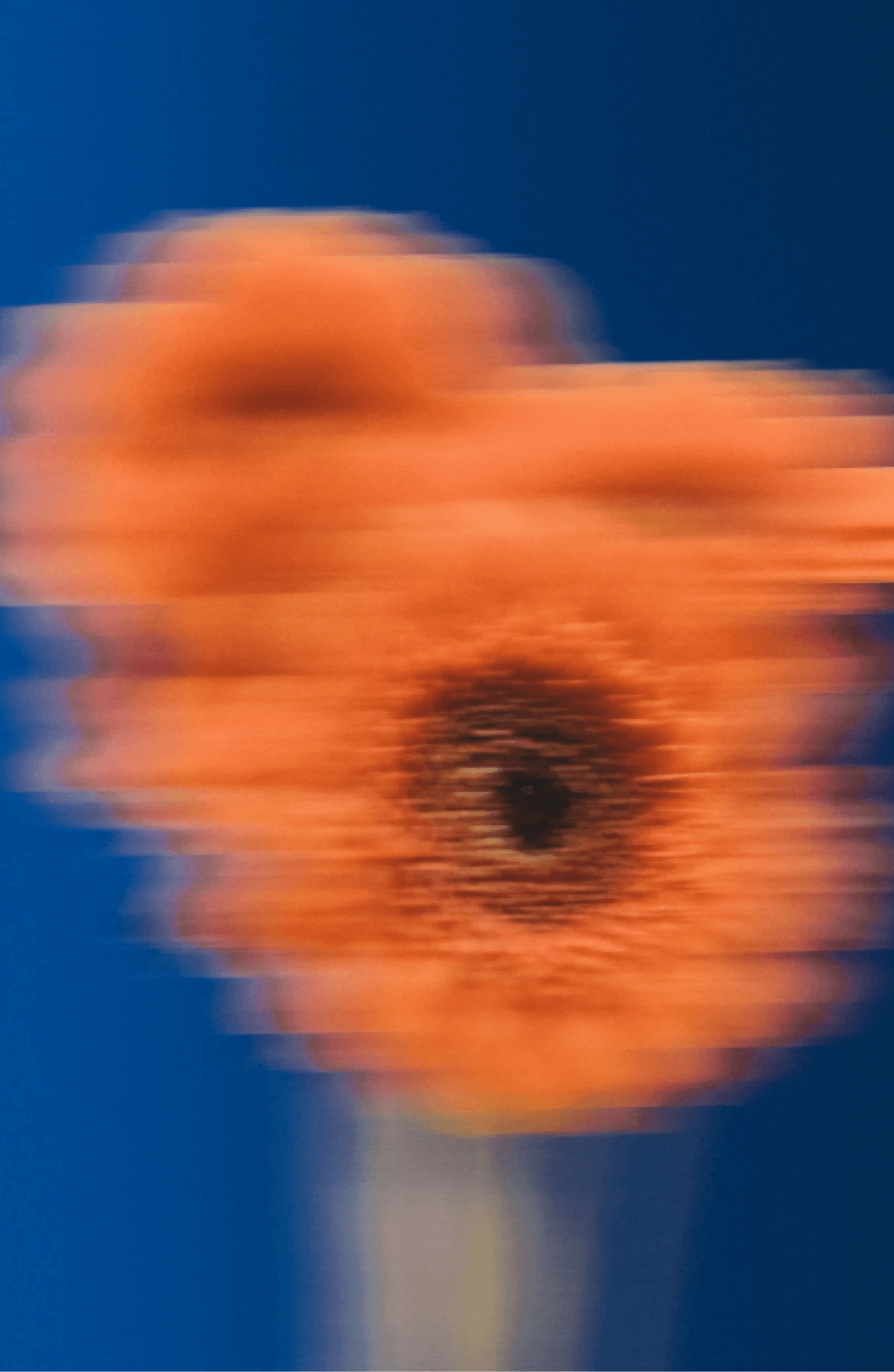
Flowers have always existed in that strange space between decoration and communication. They are often
given casually, almost as an afterthought, and yet they carry a weight that goes far beyond their physical form. A bouquet is never just a collection of plants. It is a gesture, a signal, a moment translated into something tangible.
Long before modern communication, flowers were already being used as symbols. In ancient civilizations, they appeared in rituals, religious ceremonies, and social traditions. The Egyptians used lotus flowers to represent rebirth and the cycle of life. In Greek mythology, flowers were often tied to transformation — humans turned into blooms as a result of love, loss, or divine intervention.
But it was during the Victorian era that flowers became a fully developed language. Social rules at the time made it difficult to express emotions openly, especially in romantic contexts. As a result, people turned to coded systems — and flowers became one of the most expressive tools available. Entire dictionaries were created to define what each flower meant. A carefully arranged bouquet could communicate affection, rejection, apology, or longing, all without a single word being spoken.
The meaning wasn’t just in the type of flower. It extended to colour, number, and even presentation. A red rose meant something very different from a white one. A bouquet handed with the right hand could signal acceptance, while the same bouquet presented differently could imply something else entirely. Even the state of the flower — fresh, wilted, or partially open — could alter the message.
What makes this fascinating is not just the system itself, but the need behind it. Humans have always searched for ways to express things that feel too complex, too vulnerable, or too risky to say directly. Flowers became a safe medium for that expression. They allowed emotion to exist in a shared space without confrontation.
Today, most of these meanings are no longer consciously understood. Few people give flowers with a precise symbolic intention. And yet, the emotional effect remains. Receiving flowers still feels different from receiving almost any other object. It feels more personal, more intentional, even when the gesture is simple.
Part of this comes from their impermanence. Flowers do not last. They exist for a limited time, gradually changing from freshness to decay. This lifecycle is visible, unavoidable, and strangely meaningful. It turns the act of giving into something temporal — a moment rather than a possession.
In a world where most things are optimized for longevity, efficiency, and repetition, flowers resist that logic. They are fragile, unpredictable, and short-lived. And that is precisely why they continue to matter.
Flowers have always existed in that strange space between decoration and communication. They are often given casually, almost as an afterthought, and yet they carry a weight that goes far beyond their physical form. A bouquet is never just a collection of plants. It is a gesture, a signal, a moment translated into something tangible.
Long before modern communication, flowers were already being used as symbols. In ancient civilizations, they appeared in rituals, religious ceremonies, and social traditions. The Egyptians used lotus flowers to represent rebirth and the cycle of life. In Greek mythology, flowers were often tied to transformation — humans turned into blooms as a result of love, loss, or divine intervention.
But it was during the Victorian era that flowers became a fully developed language. Social rules at the time made it difficult to express emotions openly, especially in romantic contexts. As a result, people turned to coded systems — and flowers became one of the most expressive tools available. Entire dictionaries were created to define what each flower meant. A carefully arranged bouquet could communicate affection, rejection, apology, or longing, all without a single word being spoken.
The meaning wasn’t just in the type of flower. It extended to colour, number, and even presentation. A red rose meant something very different from a white one. A bouquet handed with the right hand could signal acceptance, while the same bouquet presented differently could imply something else entirely. Even the state of the flower — fresh, wilted, or partially open — could alter the message.
What makes this fascinating is not just the system itself, but the need behind it. Humans have always searched for ways to express things that feel too complex, too vulnerable, or too risky to say directly. Flowers became a safe medium for that expression. They allowed emotion to exist in a shared space without confrontation.
Today, most of these meanings are no longer consciously understood. Few people give flowers with a precise symbolic intention. And yet, the emotional effect remains. Receiving flowers still feels different from receiving almost any other object. It feels more personal, more intentional, even when the gesture is simple.
Part of this comes from their impermanence. Flowers do not last. They exist for a limited time, gradually changing from freshness to decay. This lifecycle is visible, unavoidable, and strangely meaningful. It turns the act of giving into something temporal — a moment rather than a possession.
In a world where most things are optimized for longevity, efficiency, and repetition, flowers resist that logic. They are fragile, unpredictable, and short-lived. And that is precisely why they continue to matter.
Flowers have always existed in that strange space between decoration and communication. They are often given casually, almost as an afterthought, and yet they carry a weight that goes far beyond their physical form. A bouquet is never just a collection of plants. It is a gesture, a signal, a moment translated into something tangible.
Long before modern communication, flowers were already being used as symbols. In ancient civilizations, they appeared in rituals, religious ceremonies, and social traditions. The Egyptians used lotus flowers to represent rebirth and the cycle of life. In Greek mythology, flowers were often tied to transformation — humans turned into blooms as a result of love, loss, or divine intervention.
But it was during the Victorian era that flowers became a fully developed language. Social rules at the time made it difficult to express emotions openly, especially in romantic contexts. As a result, people turned to coded systems — and flowers became one of the most expressive tools available. Entire dictionaries were created to define what each flower meant. A carefully arranged bouquet could communicate affection, rejection, apology, or longing, all without a single word being spoken.
The meaning wasn’t just in the type of flower. It extended to colour, number, and even presentation. A red rose meant something very different from a white one. A bouquet handed with the right hand could signal acceptance, while the same bouquet presented differently could imply something else entirely. Even the state of the flower — fresh, wilted, or partially open — could alter the message.
What makes this fascinating is not just the system itself, but the need behind it. Humans have always searched for ways to express things that feel too complex, too vulnerable, or too risky to say directly. Flowers became a safe medium for that expression. They allowed emotion to exist in a shared space without confrontation.
Today, most of these meanings are no longer consciously understood. Few people give flowers with a precise symbolic intention. And yet, the emotional effect remains. Receiving flowers still feels different from receiving almost any other object. It feels more personal, more intentional, even when the gesture is simple.
Part of this comes from their impermanence. Flowers do not last. They exist for a limited time, gradually changing from freshness to decay. This lifecycle is visible, unavoidable, and strangely meaningful. It turns the act of giving into something temporal — a moment rather than a possession.
In a world where most things are optimized for longevity, efficiency, and repetition, flowers resist that logic. They are fragile, unpredictable, and short-lived. And that is precisely why they continue to matter.
Flowers have always existed in that strange space between decoration and communication. They are often given casually, almost as an afterthought, and yet they carry a weight that goes far beyond their physical form. A bouquet is never just a collection of plants. It is a gesture, a signal, a moment translated into something tangible.
Long before modern communication, flowers were already being used as symbols. In ancient civilizations, they appeared in rituals, religious ceremonies, and social traditions. The Egyptians used lotus flowers to represent rebirth and the cycle of life. In Greek mythology, flowers were often tied to transformation — humans turned into blooms as a result of love, loss, or divine intervention.
But it was during the Victorian era that flowers became a fully developed language. Social rules at the time made it difficult to express emotions openly, especially in romantic contexts. As a result, people turned to coded systems — and flowers became one of the most expressive tools available. Entire dictionaries were created to define what each flower meant. A carefully arranged bouquet could communicate affection, rejection, apology, or longing, all without a single word being spoken.
The meaning wasn’t just in the type of flower. It extended to colour, number, and even presentation. A red rose meant something very different from a white one. A bouquet handed with the right hand could signal acceptance, while the same bouquet presented differently could imply something else entirely. Even the state of the flower — fresh, wilted, or partially open — could alter the message.
What makes this fascinating is not just the system itself, but the need behind it. Humans have always searched for ways to express things that feel too complex, too vulnerable, or too risky to say directly. Flowers became a safe medium for that expression. They allowed emotion to exist in a shared space without confrontation.
Today, most of these meanings are no longer consciously understood. Few people give flowers with a precise symbolic intention. And yet, the emotional effect remains. Receiving flowers still feels different from receiving almost any other object. It feels more personal, more intentional, even when the gesture is simple.
Part of this comes from their impermanence. Flowers do not last. They exist for a limited time, gradually changing from freshness to decay. This lifecycle is visible, unavoidable, and strangely meaningful. It turns the act of giving into something temporal — a moment rather than a possession.
In a world where most things are optimized for longevity, efficiency, and repetition, flowers resist that logic. They are fragile, unpredictable, and short-lived. And that is precisely why they continue to matter.