Mar 5, 2025
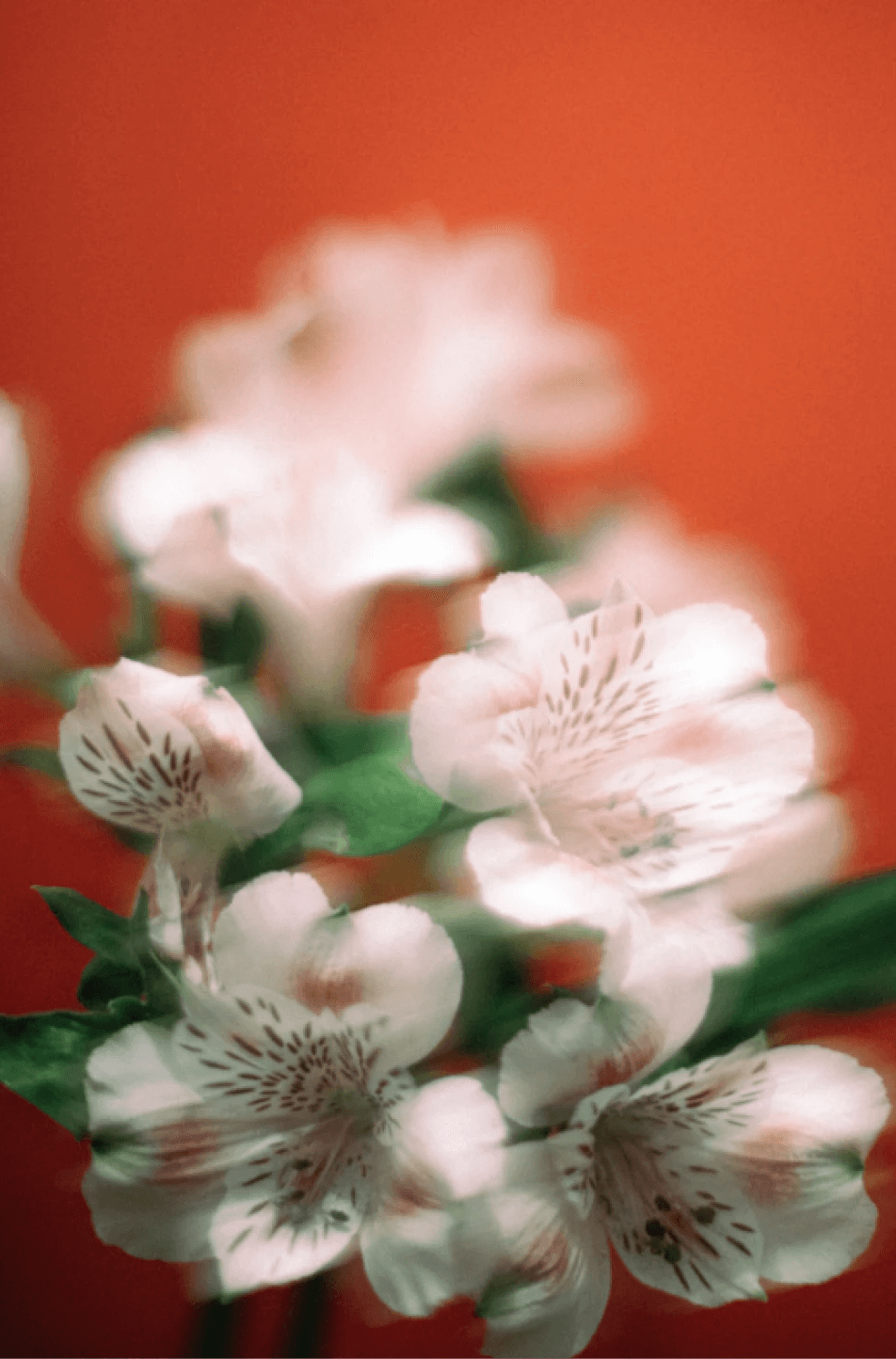
There’s something almost immediate about the effect flowers have on people. Walk into a room with fresh flowers and the atmosphere shifts — it feels lighter, calmer, more alive. This reaction isn’t just subjective; research in environmental psychology suggests that flowers can have a measurable impact on mood and well-being.
Part of this comes from colour. Bright, natural tones stimulate the brain in subtle ways, triggering positive emotional responses. Soft pastels can calm, while vivid yellows and oranges energize. But it’s not only about colour — it’s also about form. Flowers introduce organic, irregular shapes into environments that are often dominated by straight lines and artificial materials. This contrast helps reduce visual fatigue and creates a sense of balance.
There’s also a deeper, evolutionary layer. Humans are wired to respond positively to signs of growth and life. Flowers signal fertility, change, and the passing of time. Seeing them can subconsciously remind us of natural cycles — something that’s often missing in modern, urban environments.
Even small gestures matter. A single flower in a glass, placed on a desk, can change how a workspace feels. It doesn’t demand attention, but it subtly reshapes the experience of being in that space. Over time, these small environmental cues can influence productivity, stress levels, and overall mood.
Flowers don’t solve problems. But they create conditions where things feel a little easier, a little softer, and a little more human.
There’s something almost immediate about the effect flowers have on people. Walk into a room with fresh flowers and the atmosphere shifts — it feels lighter, calmer, more alive. This reaction isn’t just subjective; research in environmental psychology suggests that flowers can have a measurable impact on mood and well-being.
Part of this comes from colour. Bright, natural tones stimulate the brain in subtle ways, triggering positive emotional responses. Soft pastels can calm, while vivid yellows and oranges energize. But it’s not only about colour — it’s also about form. Flowers introduce organic, irregular shapes into environments that are often dominated by straight lines and artificial materials. This contrast helps reduce visual fatigue and creates a sense of balance.
There’s also a deeper, evolutionary layer. Humans are wired to respond positively to signs of growth and life. Flowers signal fertility, change, and the passing of time. Seeing them can subconsciously remind us of natural cycles — something that’s often missing in modern, urban environments.
Even small gestures matter. A single flower in a glass, placed on a desk, can change how a workspace feels. It doesn’t demand attention, but it subtly reshapes the experience of being in that space. Over time, these small environmental cues can influence productivity, stress levels, and overall mood.
Flowers don’t solve problems. But they create conditions where things feel a little easier, a little softer, and a little more human.
There’s something almost immediate about the effect flowers have on people. Walk into a room with fresh flowers and the atmosphere shifts — it feels lighter, calmer, more alive. This reaction isn’t just subjective; research in environmental psychology suggests that flowers can have a measurable impact on mood and well-being.
Part of this comes from colour. Bright, natural tones stimulate the brain in subtle ways, triggering positive emotional responses. Soft pastels can calm, while vivid yellows and oranges energize. But it’s not only about colour — it’s also about form. Flowers introduce organic, irregular shapes into environments that are often dominated by straight lines and artificial materials. This contrast helps reduce visual fatigue and creates a sense of balance.
There’s also a deeper, evolutionary layer. Humans are wired to respond positively to signs of growth and life. Flowers signal fertility, change, and the passing of time. Seeing them can subconsciously remind us of natural cycles — something that’s often missing in modern, urban environments.
Even small gestures matter. A single flower in a glass, placed on a desk, can change how a workspace feels. It doesn’t demand attention, but it subtly reshapes the experience of being in that space. Over time, these small environmental cues can influence productivity, stress levels, and overall mood.
Flowers don’t solve problems. But they create conditions where things feel a little easier, a little softer, and a little more human.
There’s something almost immediate about the effect flowers have on people. Walk into a room with fresh flowers and the atmosphere shifts — it feels lighter, calmer, more alive. This reaction isn’t just subjective; research in environmental psychology suggests that flowers can have a measurable impact on mood and well-being.
Part of this comes from colour. Bright, natural tones stimulate the brain in subtle ways, triggering positive emotional responses. Soft pastels can calm, while vivid yellows and oranges energize. But it’s not only about colour — it’s also about form. Flowers introduce organic, irregular shapes into environments that are often dominated by straight lines and artificial materials. This contrast helps reduce visual fatigue and creates a sense of balance.
There’s also a deeper, evolutionary layer. Humans are wired to respond positively to signs of growth and life. Flowers signal fertility, change, and the passing of time. Seeing them can subconsciously remind us of natural cycles — something that’s often missing in modern, urban environments.
Even small gestures matter. A single flower in a glass, placed on a desk, can change how a workspace feels. It doesn’t demand attention, but it subtly reshapes the experience of being in that space. Over time, these small environmental cues can influence productivity, stress levels, and overall mood.
Flowers don’t solve problems. But they create conditions where things feel a little easier, a little softer, and a little more human.