Mar 5, 2025
Some flowers are instantly recognizable, yet their personalities — the feelings they evoke — can be surprisingly nuanced. Roses, for example, are often reduced to symbols of romance, but they are far more versatile. Their meaning shifts depending on colour, context, and even arrangement. A single rose feels intentional and focused, while a bouquet of roses can feel abundant and expressive.
Tulips, on the other hand, carry a very different energy. They are seasonal, often associated with spring, renewal, and fresh starts. Their clean, structured shape makes them feel modern and minimal — almost architectural in their simplicity. They don’t overwhelm a space; they complement it.
Lilies bring elegance. Their elongated petals and subtle fragrance make them feel more formal, often used in ceremonies or significant life moments. Sunflowers, in contrast, are bold and extroverted. They demand attention, bringing warmth and optimism into any setting.
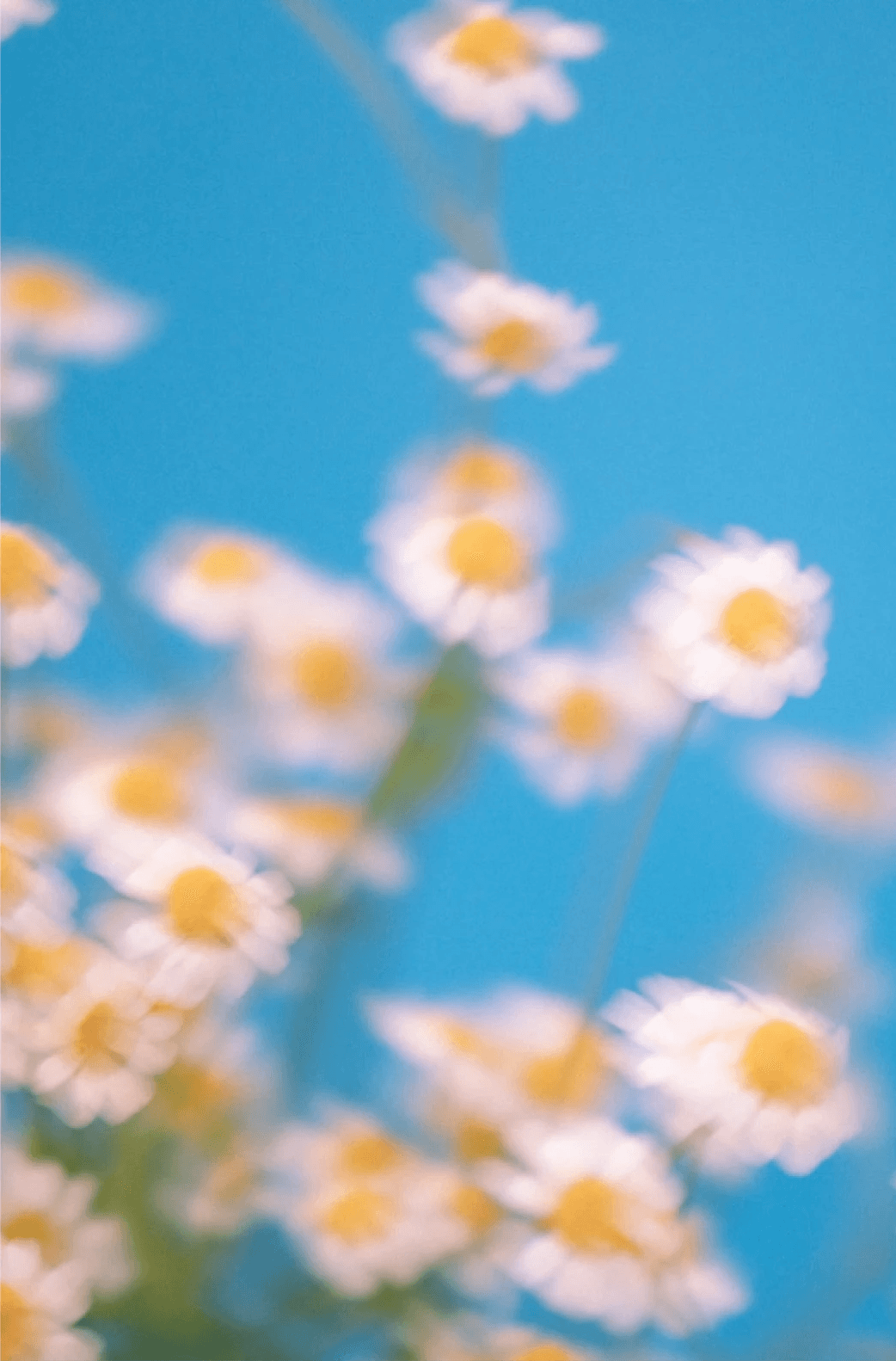
Then there are smaller, less dominant flowers — daisies, baby’s breath, wildflowers — which often act as supporting elements in arrangements. Yet on their own, they can feel more personal and less performative. They suggest spontaneity rather than intention.
Choosing flowers is rarely about following strict rules. It’s about atmosphere. Do you want something that feels calm and understated? Bright and energetic? Romantic? Grounded? Flowers offer a visual language that allows you to shape that feeling without needing to explain it.
Lilies bring elegance. Their elongated petals and subtle fragrance make them feel more formal, often used in ceremonies or significant life moments. Sunflowers, in contrast, are bold and extroverted. They demand attention, bringing warmth and optimism into any setting.
Then there are smaller, less dominant flowers — daisies, baby’s breath, wildflowers — which often act as supporting elements in arrangements. Yet on their own, they can feel more personal and less performative. They suggest spontaneity rather than intention.
Choosing flowers is rarely about following strict rules. It’s about atmosphere. Do you want something that feels calm and understated? Bright and energetic? Romantic? Grounded? Flowers offer a visual language that allows you to shape that feeling without needing to explain it.
Some flowers are instantly recognizable, yet their personalities — the feelings they evoke — can be surprisingly nuanced. Roses, for example, are often reduced to symbols of romance, but they are far more versatile. Their meaning shifts depending on colour, context, and even arrangement. A single rose feels intentional and focused, while a bouquet of roses can feel abundant and expressive.
Tulips, on the other hand, carry a very different energy. They are seasonal, often associated with spring, renewal, and fresh starts. Their clean, structured shape makes them feel modern and minimal — almost architectural in their simplicity. They don’t overwhelm a space; they complement it.
Lilies bring elegance. Their elongated petals and subtle fragrance make them feel more formal, often used in ceremonies or significant life moments. Sunflowers, in contrast, are bold and extroverted. They demand attention, bringing warmth and optimism into any setting.
Then there are smaller, less dominant flowers — daisies, baby’s breath, wildflowers — which often act as supporting elements in arrangements. Yet on their own, they can feel more personal and less performative. They suggest spontaneity rather than intention.
Choosing flowers is rarely about following strict rules. It’s about atmosphere. Do you want something that feels calm and understated? Bright and energetic? Romantic? Grounded? Flowers offer a visual language that allows you to shape that feeling without needing to explain it.
Lilies bring elegance. Their elongated petals and subtle fragrance make them feel more formal, often used in ceremonies or significant life moments. Sunflowers, in contrast, are bold and extroverted. They demand attention, bringing warmth and optimism into any setting.
Then there are smaller, less dominant flowers — daisies, baby’s breath, wildflowers — which often act as supporting elements in arrangements. Yet on their own, they can feel more personal and less performative. They suggest spontaneity rather than intention.
Choosing flowers is rarely about following strict rules. It’s about atmosphere. Do you want something that feels calm and understated? Bright and energetic? Romantic? Grounded? Flowers offer a visual language that allows you to shape that feeling without needing to explain it.
Some flowers are instantly recognizable, yet their personalities — the feelings they evoke — can be surprisingly nuanced. Roses, for example, are often reduced to symbols of romance, but they are far more versatile. Their meaning shifts depending on colour, context, and even arrangement. A single rose feels intentional and focused, while a bouquet of roses can feel abundant and expressive.
Tulips, on the other hand, carry a very different energy. They are seasonal, often associated with spring, renewal, and fresh starts. Their clean, structured shape makes them feel modern and minimal — almost architectural in their simplicity. They don’t overwhelm a space; they complement it.
Lilies bring elegance. Their elongated petals and subtle fragrance make them feel more formal, often used in ceremonies or significant life moments. Sunflowers, in contrast, are bold and extroverted. They demand attention, bringing warmth and optimism into any setting.
Then there are smaller, less dominant flowers — daisies, baby’s breath, wildflowers — which often act as supporting elements in arrangements. Yet on their own, they can feel more personal and less performative. They suggest spontaneity rather than intention.
Choosing flowers is rarely about following strict rules. It’s about atmosphere. Do you want something that feels calm and understated? Bright and energetic? Romantic? Grounded? Flowers offer a visual language that allows you to shape that feeling without needing to explain it.
Lilies bring elegance. Their elongated petals and subtle fragrance make them feel more formal, often used in ceremonies or significant life moments. Sunflowers, in contrast, are bold and extroverted. They demand attention, bringing warmth and optimism into any setting.
Then there are smaller, less dominant flowers — daisies, baby’s breath, wildflowers — which often act as supporting elements in arrangements. Yet on their own, they can feel more personal and less performative. They suggest spontaneity rather than intention.
Choosing flowers is rarely about following strict rules. It’s about atmosphere. Do you want something that feels calm and understated? Bright and energetic? Romantic? Grounded? Flowers offer a visual language that allows you to shape that feeling without needing to explain it.